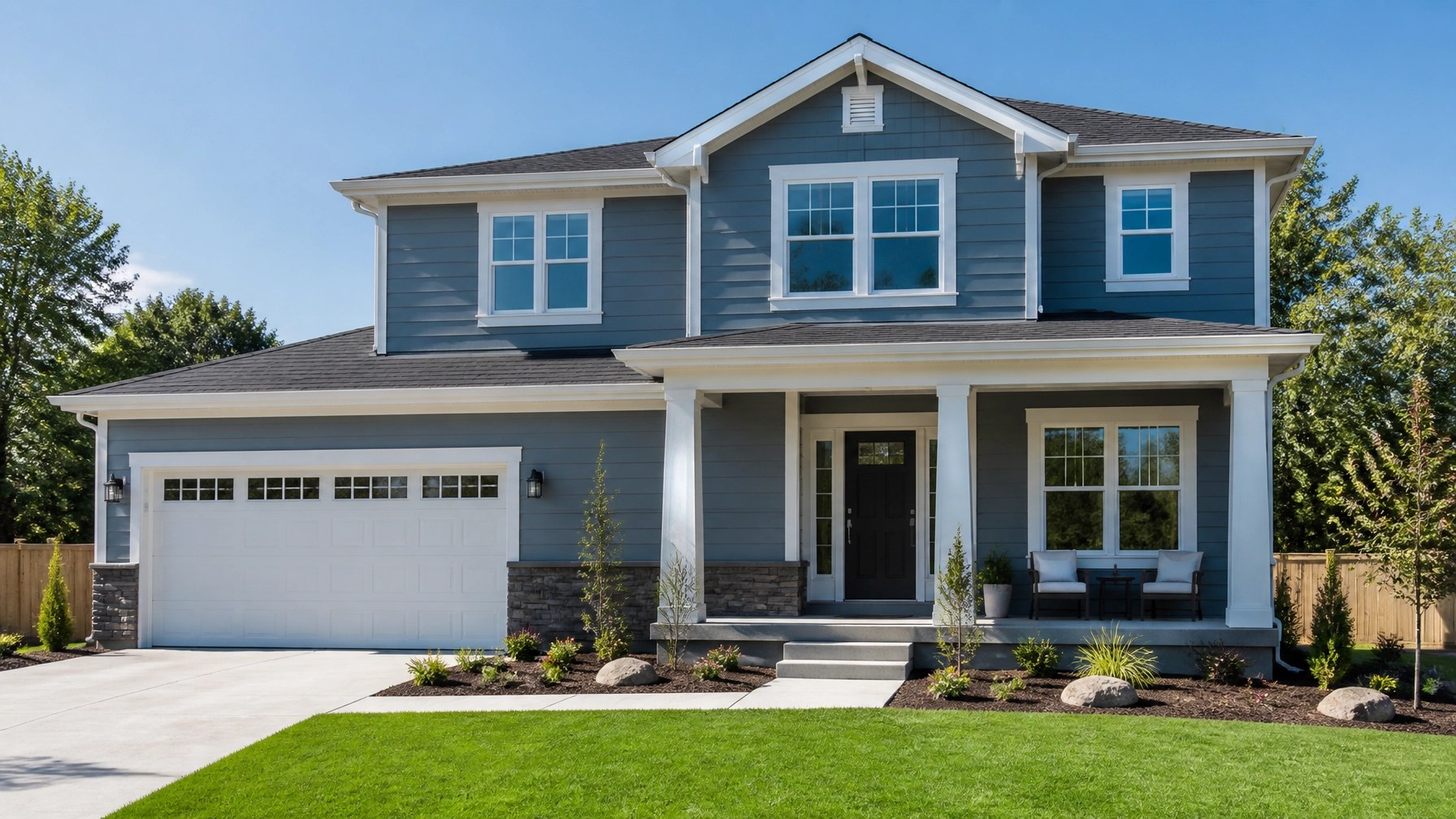
Entering the housing market in 2026 requires more than just a dream; it requires a strategy. As home prices and interest rates continue to evolve, many first-time buyers and growing families are looking for a path to homeownership that is both accessible and sustainable. If you’ve been searching for a way to buy a home without a massive 20% down payment or a perfect 800 credit score, the FHA loan remains one of the most powerful tools in your financial arsenal.
At Inkrote Lending Solutions powered by Edge Home Finance, LLC, I specialize in helping you navigate these complex mortgage waters. My goal is to take the “complex” out of the equation and replace it with a clear, personalized plan. Whether you are looking at your first starter home or finally building the house your family has outgrown, understanding the 2026 FHA loan requirements is your first step toward the front door.
What is an FHA Loan?
Before we dive into the specifics, let’s define what we’re talking about. An FHA loan is a mortgage that is insured by the Federal Housing Administration (FHA). Because the government insures these loans, lenders like Inkrote Lending Solutions can offer more flexible terms to borrowers who might not qualify for a traditional “conventional” loan.
It’s important to remember that the FHA doesn’t actually lend you the money. Instead, they provide a safety net for the lender, which allows me to offer you lower down payments and more lenient credit requirements. In the 2026 market, where every percentage point and dollar matters, this flexibility can be the difference between staying in a rental and building equity in your own home.
The 2026 Credit Score Breakdown
One of the most common questions I hear is, “Is my credit score good enough for a house?” The beauty of the FHA program in 2026 is its inclusivity. While conventional loans often demand high scores for the best rates, FHA loans are designed to give you a chance even if your credit history has a few bumps.
Here is how the credit score requirements currently stand:
- 580 and Above: This is the “sweet spot.” If your score is 580 or higher, you are typically eligible for the minimum down payment of just 3.5%.
- 500 to 579: You can still qualify for an FHA loan with a score in this range, but you will be required to put at least 10% down.
- Below 500: Generally, a score below 500 will not meet FHA eligibility for a purchase.
If your score isn’t quite where you want it to be, don’t lose heart. At urclear2close.com, I work closely with my clients to review their credit reports and identify quick wins that can help boost their scores, potentially moving them into that 3.5% down payment category.

The 3.5% Down Payment Advantage
In a market where the median home price can feel daunting, saving up 20% is often the biggest hurdle for buyers. For a $400,000 home, a 20% down payment is $80,000. For many families, that can take years, if not decades, to save.
With an FHA loan in 2026, that same $400,000 home requires a down payment of only $14,000 (3.5%).
Where can your down payment come from?
The FHA is very flexible regarding the source of your down payment. It doesn’t all have to come from your personal savings account. You can use:
- Gift Funds: Family members can provide a gift to help you cover the down payment.
- Grants: Many state and local down payment assistance programs are compatible with FHA loans.
- Seller Concessions: In 2026, we are seeing more sellers willing to contribute toward closing costs, which keeps more money in your pocket.
Debt-to-Income (DTI) Ratios in 2026
Your Debt-to-Income ratio is a calculation of how much of your monthly gross income goes toward paying debts (like car loans, student loans, and your future mortgage).
While the standard FHA guideline is often a 43% DTI, I have seen many cases where lenders allow up to 50% or even 57% if the borrower has “compensating factors.” These factors might include a high credit score, significant cash reserves in the bank, or a stable, long-term employment history.
My role is to look at your entire financial picture: not just one number: to see how we can present the strongest possible application to get you approved.
Understanding Mortgage Insurance (MIP)
Because FHA loans allow for lower down payments and lower credit scores, the FHA requires “Mortgage Insurance Premiums” (MIP) to protect the program. There are two types you need to know about:
- Upfront MIP (UFMIP): This is typically 1.75% of the loan amount. The good news? You don’t have to pay this out of pocket at closing; most of my clients choose to roll this directly into the loan balance.
- Annual MIP: This is paid monthly as part of your mortgage payment. For most buyers in 2026 putting 3.5% down, this cost is roughly 0.55% of the loan amount annually.
It is important to note that if you put down less than 10%, this insurance stays for the life of the loan. However, as your home increases in value and you pay down your balance, many of my clients eventually refinance into a conventional loan to remove this payment once they have 20% equity.

Property Requirements: The “FHA Appraisal”
The FHA wants to ensure that the home you are buying is safe, sound, and secure. This means the property must pass an FHA appraisal. In 2026, the focus remains on the “Three S’s”:
- Safety: Is the home safe to live in? (No peeling lead paint, exposed wiring, or broken windows).
- Security: Is the property secure? (Functional doors and locks).
- Soundness: Is the home structurally sound? (A solid foundation and a roof with at least two years of life left).
If a home needs minor repairs to meet these standards, don’t worry: there are even FHA “Renovation” loans (the 203k program) that allow you to bundle the costs of repairs into your mortgage.
Why 2026 is a Great Year for FHA Loans
As we navigate the current economic landscape, FHA loans have become more competitive than ever. Here’s why they stand out this year:
- Stable Interest Rates: FHA rates are often slightly lower than conventional rates, which can help offset the cost of mortgage insurance.
- Higher Loan Limits: Every year, the FHA adjusts its loan limits to keep up with rising home prices. You might be surprised at how much house you can qualify for in your specific county. You can check the current limits on the HUD website.
- Easier Refinancing: If interest rates drop later in 2026 or 2027, the “FHA Streamline Refinance” allows you to lower your rate with minimal paperwork and often no new appraisal.
Personalized Guidance with Inkrote Lending Solutions
At Inkrote Lending Solutions, I don’t believe in a one-size-fits-all mortgage. When you work with me, you are getting more than just a loan officer; you are getting a dedicated partner who understands the local market and the nuances of the 2026 lending environment.
I take the time to sit down with you: whether virtually or in person: to walk through your budget, your goals, and your concerns. We will use advanced loan tools and calculators to see exactly how an FHA loan fits into your long-term financial health. My priority is your “ultimate goal”: getting the keys to a home you love while maintaining a payment you can afford.

Ready to Take the Next Step?
The path to homeownership doesn’t have to be a mystery. By understanding the FHA loan requirements for 2026, you’ve already taken a massive step forward. The next step is to see where you stand.
Whether you’re just starting to save or you’re ready to start house hunting this weekend, I am here to help. Let’s look at your credit, calculate your buying power, and get you “Clear to Close.”
Contact Jasmyne Inkrote today:
- Website: urclear2close.com
- Phone: 984-833-8027
- Email: jasmyne.inkrote@edgehomefinance.com

2026 FHA Requirements Quick Reference Table
| Requirement | 580+ Credit Score | 500-579 Credit Score |
|---|---|---|
| Minimum Down Payment | 3.5% | 10% |
| DTI Limit | Typically up to 43% (up to 57% with factors) | Typically 43% |
| Mortgage Insurance | Required (Upfront & Monthly) | Required (Upfront & Monthly) |
| Property Type | Primary Residence Only | Primary Residence Only |
| Bankruptcy/Foreclosure | 2-3 Years waiting period | 2-3 Years waiting period |
Your dream home is closer than you think. Let’s make it a reality together.
Leave a Reply