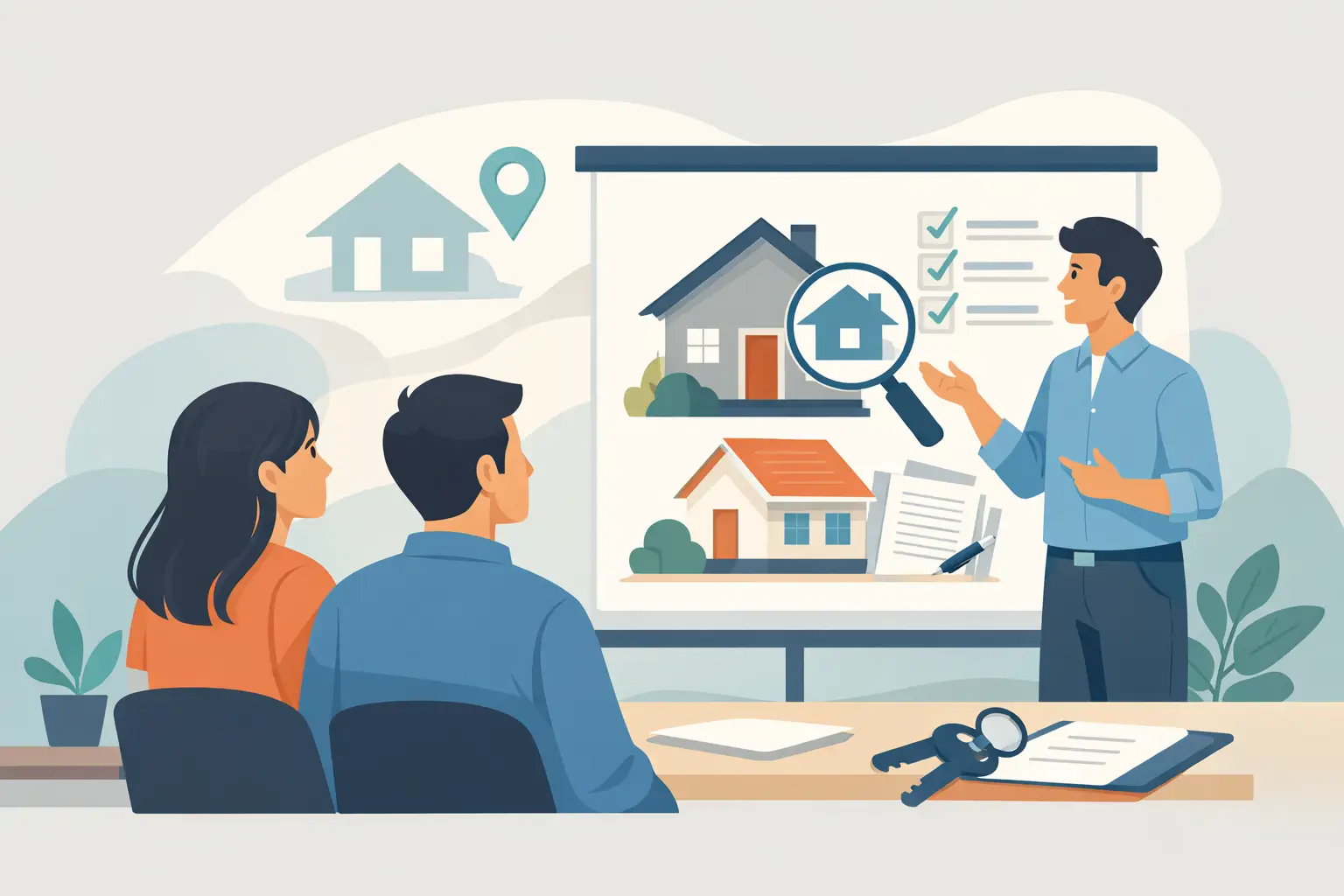
If you have ever been told, “You should take a homebuyer class first,” it can sound a little vague – or a little intimidating. So, what is a first time home buyer class? In plain English, it is an educational course designed to help you understand the homebuying process before you take on a mortgage, sign contracts, or start house hunting with too many unanswered questions.
For many buyers, especially those buying their first home, that kind of education is not just helpful. It can be the difference between feeling lost and feeling prepared.
What is a first time home buyer class, really?
A first time home buyer class is usually a short course offered online, in person, or in a live virtual format. Its job is to walk you through the major parts of buying a home, from budgeting and credit to mortgage options, closing costs, and what happens after you get the keys.
Some classes are completely optional and meant to build confidence. Others are required if you want to qualify for certain down payment assistance programs, grants, or special first-time buyer loan benefits. In those cases, the class is not just educational – it is part of the eligibility process.
The exact content can vary, but the goal is usually the same: help you make informed decisions before you commit to one of the biggest financial purchases of your life.
What these classes usually cover
Most first-time home buyer classes are built around the questions buyers ask every day but do not always know who to ask. They often start with affordability, because that is where most good homebuying decisions begin.
You can expect lessons on budgeting for a monthly payment, understanding how lenders look at income and debt, and planning for upfront costs like the down payment, earnest money, inspections, appraisal fees, and closing costs. A good class also explains credit in practical terms, including how your score affects your loan options and interest rate.
From there, many courses explain mortgage basics in plain language. That may include the difference between conventional, FHA, VA, and USDA loans, how pre-approval works, what private mortgage insurance is, and why your interest rate is only one part of the full cost of borrowing.
You will also usually get guidance on the actual buying process. That often means how to work with a real estate agent, what happens when you make an offer, how inspections fit in, what contingencies do, and what to expect between contract and closing.
Some classes go a step further and cover long-term ownership. That part matters more than people think. Buying the home is one financial step. Keeping it affordable is the bigger one. So many courses also discuss home maintenance, emergency savings, taxes, insurance, and how to avoid becoming house-poor.
Who should take one?
The name can be a little misleading. You do not always have to be buying your very first home in the strictest sense. Some programs define “first-time buyer” as someone who has not owned a primary residence in the past three years. That means a previous homeowner may still qualify.
Even if no one requires you to take a class, it can still be a smart move if you are in any of these situations: you are not sure how much home you can realistically afford, you are trying to improve your credit before applying, you plan to use down payment assistance, or you simply want to understand the process before talking with lenders and agents.
It is especially useful for buyers who are financially careful and do not want to learn expensive lessons in real time.
When a class is required
This is one of the biggest reasons people search for information about first-time home buyer classes. In many cases, state and local assistance programs require a homebuyer education certificate before they will approve funds.
That requirement is common with down payment assistance, closing cost help, and some affordable housing programs. Certain lenders may also recommend or require homebuyer education for specific loan setups, especially if there is a low down payment involved.
If a program requires the course, the provider usually needs to be approved. That means you cannot just take any random class and assume it will count. Before you register, verify whether the course meets the requirements for the program you want to use.
This is one area where details matter. An online self-paced course may be acceptable for one program, while another may require a live class or a certificate from a specific agency.
What a first time home buyer class does not do
A class can make you more informed, but it does not guarantee mortgage approval. It does not erase debt, raise your credit score overnight, or replace the need for a lender to review your finances.
It also does not mean every assistance program will be a fit for you. You may complete the class and still find that your income, credit profile, debt-to-income ratio, or home price target does not line up with a program’s rules.
That is not a reason to skip the class. It just means education and eligibility are two different things.
The real value beyond the certificate
Some buyers treat the class like a box to check. If you need the certificate, that makes sense. But the bigger benefit is usually what you learn before you make costly decisions.
For example, a class can help you understand why getting pre-approved before house hunting matters, why a low down payment does not always mean low cash-to-close, or why stretching to the highest approved amount can create stress later. Those are not small details. They shape the entire experience.
A strong class can also help you spot red flags. You may become more comfortable asking questions about loan estimates, seller credits, interest rate trade-offs, or whether a home fits your maintenance budget, not just your mortgage approval amount.
That kind of confidence matters because first-time buyers are often surrounded by advice from friends, family, social media, and real estate headlines. Not all of it is wrong, but not all of it fits your situation either.
How long does it take?
Most first-time home buyer classes can be completed in a few hours, though some are longer. A self-paced online course might take four to eight hours depending on the program and how detailed it is. In-person or live virtual classes may be offered as a half-day or full-day session.
If you are taking the course to meet a program requirement, do not wait until the last minute. Some programs need the certificate before closing, while others want it earlier in the approval process. It is easier to complete it early than to scramble when you are already under contract.
How much does it cost?
Some classes are free. Others charge a modest fee, often somewhere between $25 and $100, depending on the provider and format. If the class is tied to a grant or assistance program, the cost may be reduced or covered.
Free does not automatically mean lower quality, and paid does not automatically mean better. What matters most is whether the course is approved when needed and whether it gives you useful, understandable guidance.
How to tell if a class is worth your time
A good first-time home buyer class should leave you more clear, not more confused. It should explain mortgage terms in plain English, use real examples, and help you understand both the upfront process and the long-term responsibilities of owning a home.
Be cautious if the class feels like a sales presentation disguised as education. The best courses teach you how to think through the decision, not how to rush into one.
You also want information that reflects real trade-offs. For example, low down payment options can be helpful, but they may come with mortgage insurance or less financial cushion after closing. Assistance programs can make buying possible, but they may have income limits, property rules, or repayment conditions. Good education makes room for those details.
Should you take one before talking to a lender?
Often, yes. Taking a class early can make your conversations with lenders more productive because you will already understand the basic language and process. You will be in a better position to compare loan options, ask smarter questions, and recognize what matters for your goals.
That said, you do not have to wait for perfect knowledge before getting guidance. Sometimes the smartest move is to do both around the same time: learn the basics through a class and then talk with a trusted mortgage professional about how those basics apply to your numbers.
That combination tends to work well because education gives you context, and personalized guidance gives you direction. At Clear to Close: Your Mortgage Guide, that is the whole point – helping buyers move from general information to a plan that actually fits.
The bottom line on what a first time home buyer class is
A first time home buyer class is part education, part preparation, and sometimes part program requirement. It helps you understand how financing works, what buying really costs, and how to make steadier decisions before you commit.
If you are serious about buying but want fewer surprises, this is one of the simplest steps you can take. A few hours of learning now can save you money, stress, and second-guessing later – and that is a pretty good return before your home search even begins.
Leave a Reply