
For many of us, our home is our sanctuary: the place where we raise families, host holiday dinners, and build memories. But as you’ve been paying down your mortgage and watching the market shift over the years, that sanctuary has also become a powerful financial engine.
Your home equity is essentially the “Bank of You.” It’s the difference between what your home is worth today and what you still owe on your mortgage. If you’ve been dreaming of a major kitchen remodel, looking for a way to consolidate high-interest debt, or planning for a significant life milestone, a cash-out refinance might be the key to unlocking those possibilities.
At Inkrote Lending Solutions, we believe that your mortgage should work for you, not the other way around. Let’s dive into how you can leverage your home’s value to fuel your next big move.
What Exactly is a Cash-Out Refinance?
A cash-out refinance is a type of refinance mortgage where you replace your current loan with a brand-new one that has a higher balance than what you currently owe. The “extra” money from that larger loan is then given to you in a single lump sum of cash at closing.
Think of it as a reset button with a bonus. You aren’t just changing your interest rate or term; you are actually tapping into the wealth you’ve built in your property. Most lenders allow you to borrow up to 80% of your home’s current appraised value.
The Math in Action
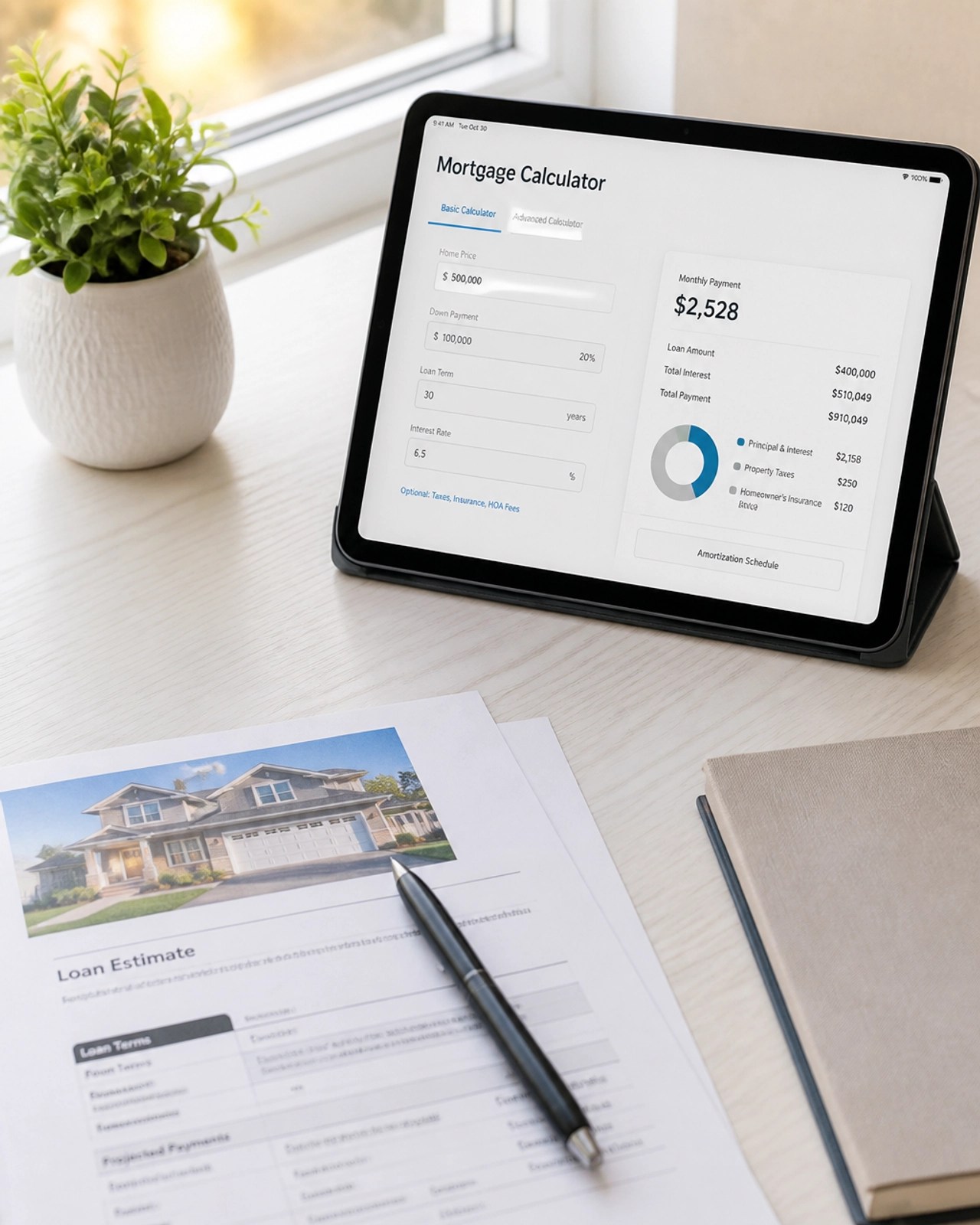
Imagine your home is currently worth $500,000 and your remaining mortgage balance is $300,000.
- The 80% Rule: Most lenders let you borrow up to 80% of that $500,000, which is $400,000.
- The Payoff: Your new loan pays off your existing $300,000 balance.
- The Cash: After closing costs, you could walk away with nearly $100,000 in cash to use however you see fit.

Why Homeowners are Making the Move in 2026
While the reasons for a cash-out refi are as unique as the homeowners themselves, we see a few common trends among our clients here at Inkrote Lending Solutions:
1. The Dream Renovation
Instead of moving to a new house, many families are choosing to “love the one they’re in.” Whether it’s adding a home office, finishing a basement, or upgrading to a chef-inspired kitchen, using home equity can be a cost-effective way to fund these projects. Plus, if the improvements increase your home’s value, you’re essentially reinvesting that equity back into your asset.
2. High-Interest Debt Consolidation
Credit card interest rates can be staggering. By using a cash-out refinance, you can pay off high-interest credit cards or personal loans and roll that debt into your mortgage. Because mortgage rates are typically much lower than credit card rates, this move can significantly lower your monthly outgoing cash flow and save you thousands in interest over time.
3. Major Life Milestones
From funding a child’s college education to starting a new business venture, a lump sum of cash can provide the stability needed to take a big leap. Having access to those funds at a fixed mortgage rate often feels more manageable than taking out high-interest private loans.
Comparing the “Equity Trio”: Refi vs. HELOC vs. Home Equity Loan
When you start looking at your equity, you’ll likely hear three main terms: Cash-Out Refinance, Home Equity Line of Credit (HELOC), and Home Equity Loan. Each has its own place in a financial strategy.
| Feature | Cash-Out Refinance | HELOC | Home Equity Loan |
|---|---|---|---|
| Loan Structure | Replaces your 1st mortgage | A “second” mortgage / line of credit | A “second” mortgage / lump sum |
| Payout | One-time lump sum | Revolving (like a credit card) | One-time lump sum |
| Interest Rate | Fixed or Adjustable | Usually Variable | Usually Fixed |
| Monthly Payments | Single mortgage payment | Varies based on balance | Separate second payment |
While a home equity line of credit offers flexibility for ongoing projects, a cash-out refinance is often preferred by those who want the stability of a single monthly payment and a fixed interest rate. It’s about simplicity and long-term planning.
The Step-by-Step Process: From Equity to Cash
Navigating a refinance might feel daunting, but it’s a journey we guide our clients through every day. Here is what you can expect:
- Define Your Goal: Determine exactly how much cash you need. Are you looking for $20,000 for a patio or $80,000 to consolidate debt?
- Check Your Equity: We’ll help you look at current market data to estimate your home’s value and see if you meet the typical 20% equity requirement.
- The Application: You can start our fast and easy online application to get the ball rolling. We’ll look at your credit score (typically 620+ is preferred) and your debt-to-income ratio.
- The Appraisal: A professional appraiser will visit your home to verify its current market value. This is the “magic number” that determines how much cash you can access.
- Underwriting & Approval: Our team works behind the scenes to verify your documents and ensure everything is accurate for a smooth closing.
- Closing: You’ll sign the new loan documents, your old mortgage is paid off, and the remaining funds are wired directly to you.
Is it Right for You? The Pros and Cons
Like any financial decision, a cash-out refinance requires a balanced view.
The Pros:
- Lower Rates: Compared to personal loans or credit cards, mortgage rates are generally much lower.
- Tax Benefits: If you use the funds to “substantially improve” your home, the interest on that portion of the loan may be tax-deductible (check with your CPA to be sure!).
- Credit Boost: Paying off high-interest revolving debt can improve your credit score by lowering your overall credit utilization.
The Cons:
- Closing Costs: You are essentially taking out a new mortgage, so expect closing costs (typically 2-5% of the loan amount).
- Resetting the Clock: If you’re ten years into a 30-year mortgage and you refinance into a new 30-year term, you’re extending your debt timeline.
- Foreclosure Risk: Your home is the collateral. It’s vital to ensure the new monthly payment fits comfortably within your budget.
Expert Guidance Every Step of the Way
At Inkrote Lending Solutions powered by Edge Home Finance, LLC, we don’t just see a loan application; we see a family trying to better their future. The mortgage market in 2026 is dynamic, and having an expert guide who understands shifting conditions is essential.
We pride ourselves on providing quick, personalized financial advice. Whether you are ready to start your cash-out refinance today or just want to explore your options with our mortgage calculators and tools, we are here to ensure you make the best decision for your unique situation.
Your home has been working hard for you: now it might be time to let its equity do the heavy lifting.
Ready to see what your home can do?
Contact Jasmyne Inkrote today or start your application online to get a clear picture of your financing options. Your next big move starts here.
Leave a Reply